

The Best Ways to Remove Sticky Residue
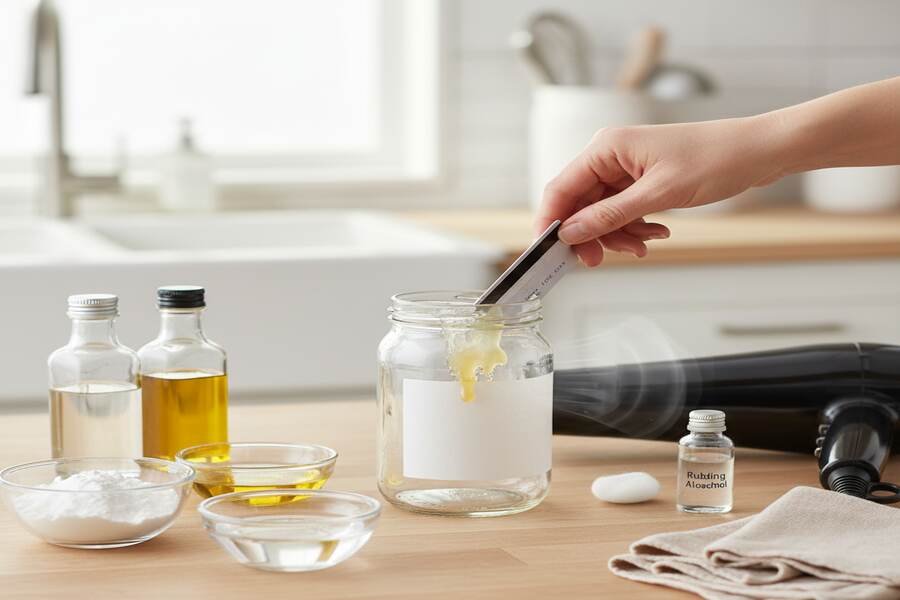
Remove Sticky Residue Safely with These 7 Easy Ways
Have you ever actually peeled some stickers off only to find out that the sticky stuff is the actual problem? We have all been there, the label on a new jar, a sticker on a child, which he or she calls a work of art on furniture, or the unremovable price tag on a piece of electronic equipment. Sticker residue is only on the things you do not want. The good thing? It does not require expensive products or harsh chemicals to be eliminated.
Using a sticky surface and some basic household equipment and the appropriate techniques, you can change it back to a smooth and spotless surface. Seven good methods will be dissected into steps and tips to follow, which will be described in a clear manner.
1. Warm Soapy Water: The Softest Introduction
The safest and most effective choice is warm, soapy water, which is a method that new sticker residue can be removed quite easily by this technique in trained cleaning specialists. You just need to take a sponge or a cloth, dip it into warm soapy water, and then place it on the part where the sticker is. The heat and soap interaction begins to work, and it gets easier to pull off the glue.
This is the best technique to apply to fragile objects such as jars, toys, smooth surfaces, and kitchen wares. It does not harm paint or coating, and so, it works well with beginners who like the soft and chemical-free method. It might require a little longer time with older or heavier residue, but it is better to first attempt it before moving to more powerful solutions.
2. Alcohol or Hand Sanitiser
The quickest method to dissolve adhesive is by using rubbing alcohol, which dissolves the chemical composition of the adhesive. Put a few drops on a piece of cotton or a soft cloth and rub it over the sticky area. The residue will tend to begin rising off in a few seconds. In case you lack rubbing alcohol, you can use hand sanitiser since it is also an alcohol based compound.
This process works best when it comes to laptops, glass, metals and plastic surfaces where heat and water cannot be utilised. It does not leave a trace, and it evaporates fast and removes even old sticky patches. Nevertheless, do not apply it to unfinished wood, painted walls or other things that may react with alcohol unless they are first tested on a small hidden part.
3. Vinegar: The Natural Cleaning Adhesive
White vinegar really is a natural cleaning hero, and it works wonders on sticker residues. The light acid in vinegar will not damage the majority of surfaces but will still be able to detach the adhesive. Heat up the vinegar a bit, soak a cloth with it, and then place it on the sticky area for one to two minutes. Once the glue is softened, clean it away.
It can be used particularly in scraping off sticker residue to jars, bottles, stainless steel, ceramic tiles, and other hard surfaces. It is also eco-friendly and does not leave any toxic emissions. In case you do not like the smell of vinegar, do not worry it goes away fast after the surface is dry.
4. Cooking Oil: The Slip-Off Trick
Cooking oils like coconut oil, olive oil, vegetable oil, or baby oil can also play the part of loosening the adhesive by dissolving the sticky layer to be wiped off more easily. Just a small amount of it will do, and rub it with a cloth. The adhesive becomes harder, and the cloth wipes off the layer of sticky matter that it has softened.
This procedure is applicable to wood, plastic, metal, and most painted surfaces, but an oil layer will remain and hence, you will need to clean afterwards. The combination of baking soda and oil results in a more viscous paste with a mild scrubbing effect, which is best for the tougher or older sticky spots.
5. Baking Soda Paste
Baking soda has such a slight abrasive action that it can be relied on to get rid of tough residue without leaving any marks on the surface. It can be prepared by mixing baking soda with water or cooking oil to give a thick paste. Put this paste on the sticky area and gently rub with the cloth or soft sponge.
The solution can be applied to glass, ceramics, tiles and metal objects. The small particles of baking soda disintegrate the sticky coating without damaging the surface. It comes in handy particularly in adhesives which has been dusted or sometimes thickened in the course of time. It also helps neutralize unpleasant odors such as bathroom sewage smell, making surfaces feel fresher.
6. Hair Dryer Heat Trick: Melt It Away
Heat increases the ease with which glue is wiped off without strain. It is only necessary to spray warm air on the residue with a simple hair dryer for over 20-30 seconds. After the glue becomes soft, remove it with either a cloth or the scraping of a plastic card.
This method is very effective with electronics, furniture, appliances and hard plastic surfaces. It is just necessary to be cautious about those things that may warp when exposed to heat or have a sensitive surface to heat. Use a medium level of warmth, not maximum, so that the surface remains safe.
Conclusion
The problem of sticker residue occurs quite often; nonetheless, the bright side is that you are not forced to confront it and even do not need to apply any friction on your surfaces while attempting to get rid of it! There are natural substances such as vinegar and baking soda or instant methods like rubbing alcohol and heat, and for every surface and situation there is a corresponding method. With the help of these seven awesome house cleaning techniques, often trusted even by experienced cleaning crews, the toughest residue will not stand a chance. Be ready to take control next time a sticker attempts to leave your surface uninvited!
Related Posts
Smart Tricks to Clean Tinted Windows Without Damage
Tinted windows enjoy a high degree of popularity amongst Australian residential and automotive proprietors due…
Practical Methods for Preventing Mould on Carpets
Practical Methods for Preventing Mould on Carpets Have you ever put your feet on your…
How to Treat Coffee Stains Before They Become Permanent?
Treat Coffee Stains Fast Before Permanent Damage A single second can leave a brown mark…