

How Do Bed Bug Exterminators Remove Hidden Infestations?
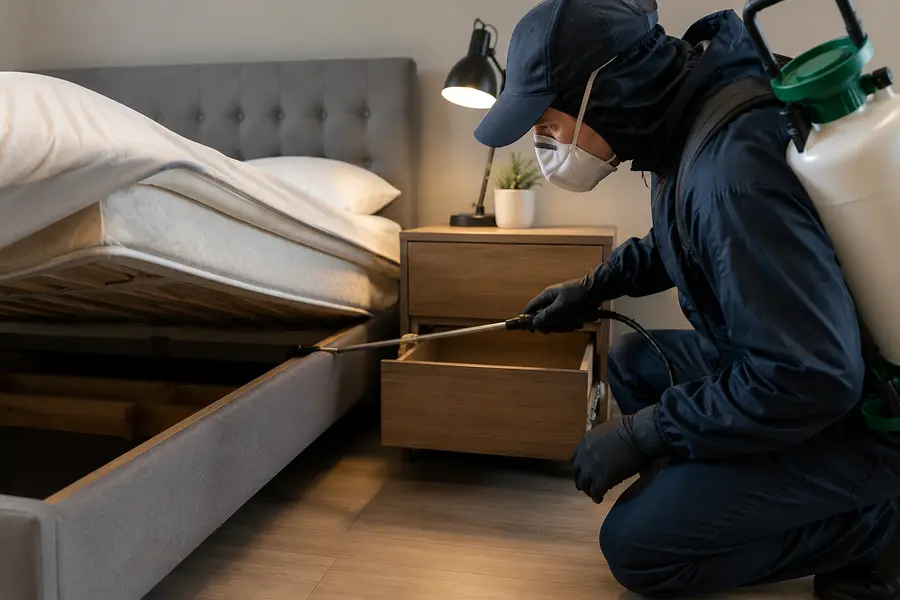
Bed Bug Exterminators Remove Hidden Infestations Fast
Gearing up for bed bug treatment at home is a real challenge, mainly because these pests rarely gather in the areas where we expect them to be. Some owners may find bed bug bites or small bloodstains on bed sheets or may see the bugs once or twice and believe that a simple clean-up or spraying will suffice. Unfortunately, bed bugs are so good at hiding that the infestation may continue even though you cannot see the bugs. With other pests, we can expect to find them in the main parts of the house, but with bed bugs, you can find them in the smallest hidden areas, inside the upholstery, along the seams of the furniture, or in any little cracks or crevices near the bed.
The fact that they can hide is why many infestations grow large before people realise how bad they have become. A professional bed bug exterminator operates in a systematic way to discover hidden activity, kill active insects, eliminate eggs and minimise the chances of the infestation coming back. Knowing the mechanics of this process can enable a homeowner to take action, and do so before the problem gets out of hand.
Understanding Hidden Bed Bug Behaviour
The bedbug is a very camouflaged insect, and its lifestyle is to fulfil its needs in as unnoticeable a manner as possible. It chooses secluded and unlit areas during the daytime for its sleeping habits and remains dormant during the night as humans are sleeping. Its size allows it to sit in inconspicuous areas that are difficult to inspect upon each regular cleaning of the house.
These parasites are regular visitors in the background of trimmings, cracks in the wall, along the border of the carpet, inside the cushion upholstery, back of the bed, in the cracks of the wall, under the lamp over the bed and in the empty spaces of the bed. And in more mature infestations, they might also take up residence in electrical outlets and in the space beneath baseboards. Due to their behaviour, methods of household cleaning rarely succeed in eradicating the infestation. Treatment for bed bugs is professional and should emphasise focusing on the concealed areas rather than the ones which are visually on the surface.
Starting With A Detailed Inspection
The bed bug exterminator will start by conducting a thorough inspection of the entire home upon arrival. This will help determine the extent of the infestation and the areas to be treated first. Exterminators don’t just treat the bed; they treat the furniture, adjoining rooms, fabric surfaces and even hidden seams where bugs can travel.
| Inspection Finding | What It Suggests |
| Small black spotting | Evidence of bed bug waste |
| White eggs | Active breeding areas |
| Shed skins | Growing population |
| Blood marks | Recent feeding |
| Live insects | Established infestation |
Technicians look for signs of physical evidence that show activity and breeding. This step in the inspection process can prevent having to retreat and helps the exterminator focus on areas that the homeowner might miss.
Finding Infestations Behind Surfaces
After inspection is finished, you’ll move on to identifying the bugs’ hiding places. Infestations are often spread beyond a single room, as bed bugs are known to wander and look for new harborages and food sources. A bedroom can be the focus of activity, yet hidden populations exist and are established elsewhere within a dwelling. Professional clean-up crews also check furniture joints, mattress piping, folds of curtains, edges of carpeting, junctions of walls, and storage places. They also check surrounding homes to make sure the bugs haven’t found a new home. This level of detail truly is why professional bedbug removal is generally more successful than a series of do-it-yourself treatments, and why it is typically more costly. In many cases, specialised insect infestation treatment services are required to locate and eliminate pest activity hidden deep within furniture, walls, and other hard-to-reach areas.
Using Targeted Treatment Methods
For indoor infested sites, products are applied to the harborages but not to exposed insects. Instead, a bed bug removal professional chooses from a range of treatments depending on how severe the infestation is, the layout of the property and the requirements of the people living there. Heat treatment is very efficient because heat penetrates where sprays cannot. Steam can be used to remove dirt from mattresses, upholstery and other soft furnishings. After use, residues may remain, and also insects that will come out of hiding later will be affected.
The table below summarises common treatment approaches.
| Treatment Type | Purpose | Suitable Situation |
| Residual treatment | Controls active movement | Moderate infestations |
| Heat treatment | Eliminates bugs and eggs | Severe infestations |
| Steam treatment | Penetrates soft surfaces | Furniture and mattresses |
| Dust application | Reaches narrow gaps | Hidden locations |
| Monitoring methods | Tracks ongoing activity | Follow-up inspections |
Using a combination of techniques ensures that you cover more area and will have less chance of bedbugs that have been established in hidden areas surviving.
Eliminating Eggs and Interrupting the Cycle
Sometimes, bedbugs are reintroduced as few eggs could be left, hidden or so small that they are not noticed, and hatch after the first treatment. For instance, since bedbug eggs are too small to detect, a detailed inspection of the infestation must be performed by a trained professional. Besides, when attached to the most hidden spots, they rarely get eradicated by treatments that go after only visible bugs. So, a bed bug exterminator is a professional who rather than removing adults, focuses on breaking the whole life cycle. He will come with a several-round procedure of inspection, targeted re-treatment, and monitoring to make sure no new activity has come out. Due to Truth is, eggs of bed bugs hatch at different time intervals; getting rid of bed bugs completely implementing may need more than one application, according to the size of the infestation.
Preventing Bed Bugs From Returning

The eradication of pests is just one element of a pest controller’s task. Out there, when pest pros bump into one another at problem sites, they share what pests have been doing lately- it helps residents stay alert. Clean routines count: sheets go through the wash often, while vacuums move across floors without skipping. Travel returns? Bags open slowly, far from bedrooms or pantries. A tidy space resists trouble better when routines include these steps. Another way to prevent pests is to purchase protective mattress encasements, which not only remove hiding places but also facilitate inspection. Be Most of all careful when you bring a piece of furniture, in particular upholstered furniture, into the house. When it comes to preventing insect infestations, making use of preventive measures, regular maintenance, and staying vigilant against infestations is more likely to yield a positive outcome.
Avoiding Common Treatment Mistakes
The leading cause of an infestation spreading or compounding is people transporting bed bugs unknowingly, thereby making them increasingly difficult to eliminate. Using several over-the-counter products could cause the bugs to move further into walls or into nearby furniture. Insects can also be spread to other areas of the home by carrying untreated items into other rooms. Throwing away furniture prematurely can spread the infestation to the streets and cause you unnecessary expense. Yet another popular misconception is to stop treatments once you are no longer getting bites. Bed bug eggs can be hidden away and hatch at a later time. Commercial bed bug extermination is all about complete eradication and not a temporary decline in symptomology.
Knowing When To Call Professionals
Even a few little indications of bed bugs could turn into major infestation problems before people notice. A series of bites, spots, and stains on bed linen, as well as several sightings that people cannot explain, typically show that there are still bed bug populations somewhere that people cannot see. A bed bug exterminator, with early intervention, is in a position to contain the infestation before it has a chance to spread into other rooms or become so costly that it will be a challenge to control. And if people act quickly with treatment, that also means that the disruption caused will be minimised and confidence in the sleeping areas will be re-established faster.
Conclusion
Bed bugs can be a nightmare to get rid of because they mainly operate in hiding. Just cleaning the surfaces and DIY treatments might get rid of the bugs you can see, but chances are you will be leaving the hidden populations behind. A professional bed bug exterminator is equipped with tools for detailed inspection, can use targeted methods for treatment and will schedule follow-up monitoring so that the infested areas that have been hiding can be successfully located and the breeding cycle interrupted.
Complete removal of bed bugs doesn’t just entail killing the bugs you see; it is also about locating their hiding places, treating all their stages of development, and changing the environment so that it is less favourable for their return. If homeowners plan well and take action quickly, they can eradicate the concealed infestation and return to comfortable living at home. Just as early action helps prevent bed bug infestations from worsening, treating stains promptly can also prevent long-term damage. Read our guide on how to treat coffee stains before they become permanent?
Related Posts
Which Method of Removing Adhesive from wood is the Simplest?
Simplest Method to Remove Adhesive from Wood Easy Guide Have you ever removed a sticker…

The Fundamental Guidelines for Room-by-Room Cleaning
Fundamental Guidelines for Room by Room Cleaning Have you ever walked into your room and…

Smart Ways to Organise Your Space This February
Do you always feel that your house is filled with things that you do not…