

The Best Tips for Cleaning Floating Timber Floors
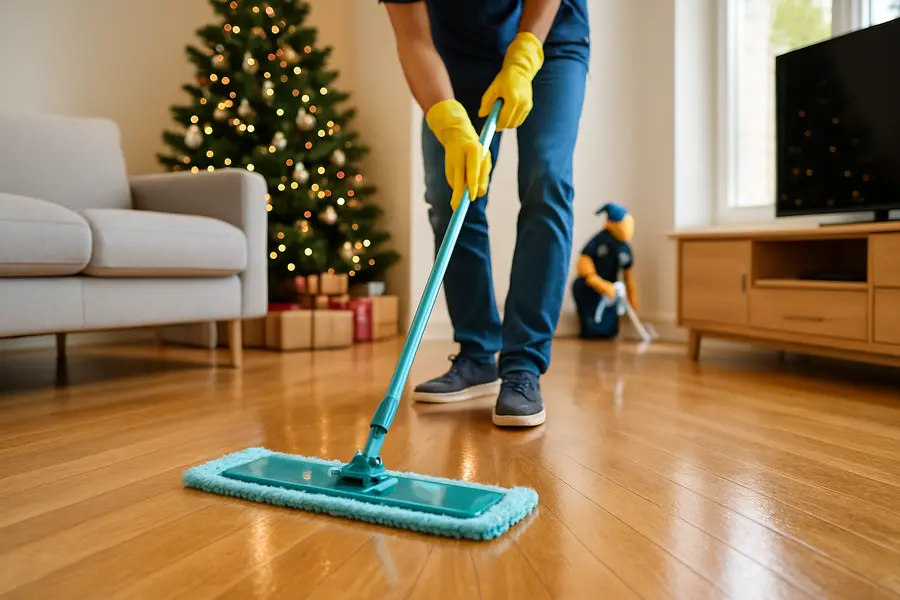
Cleaning Floating Timber Floors | Simple Expert Tips
Have you ever crossed your floating timber floors and had dull spots where you used to have wonderful shine? Or had so much fine sand that you are sure you are walking on the floor that was so dirty before you had taken your shoes off? If yes, you’re not alone! Floating timber floors are lovely, natural and fashionable but only when they are maintained in a proper manner. It is not difficult to keep them clean like the professionals. You can put your feet on your floors, and they will look like new without having to scuff up a weak finish. We are going to dive into how best to clean floating timber floors and also keep them shining easily.
1. Begin With a Light Dusting Process
The professional bond cleaner will inform you that the key to well-maintained timber floors well maintained is the daily dust removal. Timber floors that are floating trap dust, pet hair and other minute debris very fast and dust that is left to lie on the surface may leave micro-scratches on the surface with time.
A microfibre dust mop, a soft bristle broom or a vacuum with a hard floor mode are the safest to use and not damage the finish. The trick is to slide slowly and not to use brushes with hard bristles or so-called rotating ones. This is a very basic measure that would not only help in the elimination of any dirt that is not fixed but would also help in maintaining a clean and smooth surface.
2. Use a Damp Mop, Not a Wet One
Timber floors with floating and water do not mix. Such floors will swell when subjected to excess moisture, contrary to tiles and vinyl. This is why the professional cleaners never fail to use the damp mop method.
Wipe in warm water with a timber safe floor solution and wipe in a light, even motion using a microfibre mop that has been dipped in the solution. Fly across the grain of the wood to a perfect finish. This leaves your floor clean and does not cause water to seep into your joints. Do not take out the mop; always leave a small layer that dries off.
3. Select Timber-Safe Cleaning Products
Timber floating floors do not support every cleaning product. Tough chemicals, steam cleaners, and oil-based soaps can seem to be useful; however, they can remove the protective layer or leave a sticky residue.
To clean at the pro level, it is always necessary to choose pH-neutral timber floor cleaners. These are formulae that are specifically created to clean without spoiling the finish. The little is a lot, and the natural shine is not just kept it is also improved. In case you like to go DIY, a splash of white vinegar in a large bucket of water is also necessary, although in small amounts so as not to dull the coating.
4. Treat Spills Immediately
Mishaps occur- water sprays, spilt juice or some little surprise of a pet. However, once these remain long on floating timber floors, they may stain or destroy the surface.
The professional approach? Wipe off immediately using a soft cloth and then wipe the place softly using a wet mop. Do not polish hard, it may burnish off the finish. Swift response will ensure your floors are safe and no long term marks, which are difficult to remove in future.
5. Furniture Floor protection
The timber floors that have been cleaned lose their shine with continued scraping of furniture against them. Dents and scratches on chairs, tables and beds will be left behind and not even cleaning will conceal the same. Pro cleaners will always suggest that one install felt pads on the legs of furniture.
They are cheap, almost transparent and have a smooth slide over the surface. These pads can protect your floors against severe damage in case you often rearrange furniture or in case you have active children and pets. It is an investment that is small and big time.
6. Avoid Steam Mops at All Costs
It is among the greatest fallacies that individuals commit. The steam mops spray the hot water, which oozes into the layers of timber and makes them weak. It results in distortion, edema and permanent damage.
Although steam cleaning is effective on tiles, it is a major no go on floating timber floors. Use dry and damp cleaning to preserve your flooring and ensure that it has a long shelf life.
7. Intensive Cleaning Every Month
It is great as it is done on a daily basis and a weekly damp mopping every day does the work, but a monthly deep cleaning routine is what keeps you floors really shiny. When doing a deep cleaning, a slightly more but timber expert cleaning solution can be used.
Clear light furniture, sweep beneath the carpet, dust corners and clean high traffic places. This will make sure that your floor will get old gracefully without giving away its essence and lustre. And to make the process easier on your body, always follow safe cleaning methods to avoid unnecessary strain or back pain.
8. Control Sunshine and Dampness
Timber floors that are floating are responsive to changes in the environment. Excessive exposure to direct sunlight may violet the colour whereas excess moisture may result in slight swelling.
Curtains or blinds should be used during the time of the day when the sun is bright and the indoor humidity should be balanced. In case you reside in a moist climate, then use the humidifier so that your floors never get damaged due to moisture. These small renovations keep your flooring in its natural state of grace and form, within years.
Conclusion
There is only one way to clean floating timber floors and this is to select mild ways, proper products and be consistent. Dusting on a regular basis, damp mopping, the right cleaners and avoiding spills and scratches on your floors can keep your floors bright, smooth and beautiful.
You will be able to increase the same lifetime of your floating timber floors and keep them as impressive as the day they were put in. A bit of attention really pays off-you will be able to notice the shine and beauty on your floor long enough as well as grace.
Related Posts
How a Clean Home Can Boost Your Mental Health?
Keep Your Home Clean, Keep Your Mind Healthy Have you ever wanted to go to…
The Best Ways to Remove Sticky Residue
Remove Sticky Residue Safely with These 7 Easy Ways Have you ever actually peeled some…

An Overview of Dry Carpet Cleaning for Homeowners
Homeowner’s Guide to Dry Carpet Cleaning Have you ever accidentally dropped something on your carpet…